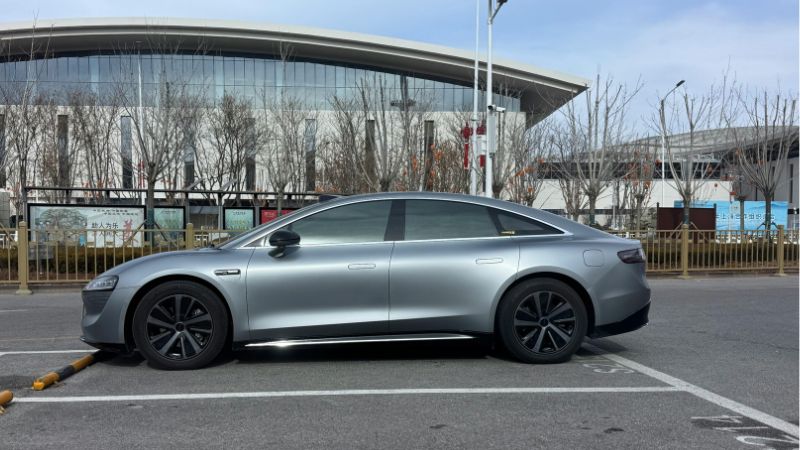
With petrol prices continuing to fluctuate, it’s no surprise more Australians are starting to seriously consider electric vehicles (EVs). What was once seen as a future trend is now very much part of today’s conversation. According to the
Federal Chamber of Automotive Industries, EVs accounted for 11.8% of all new car sales in February, with this number predicted to rise over the coming months.
But beyond the headlines and hype, what do the numbers actually look like? If you’re weighing up whether to stick with petrol or make the switch, here’s a breakdown to help you understand the real financial picture.
The rising cost of petrol vs the predictability of electric
One of the biggest drivers behind the shift to EVs is simple – petrol prices are unpredictable.
Fuel costs have been a major pressure point for households in recent months, with many drivers actively looking for ways to reduce their weekly spend. Petrol prices can spike quickly due to global events, supply issues or market shifts, and there’s very little control from a consumer point of view.
Electricity, on the other hand, tends to be far more stable. While energy prices can still change, they’re generally less volatile than fuel, giving EV owners more certainty when it comes to budgeting. That predictability alone can make a big difference over time.
Running costs
When it comes to day-to-day costs, EVs typically come out ahead. According to
Transport NSW, EVs can reduce fuel costs by up to 70% and reduce maintenance costs by around 40%.
Charging an electric vehicle is usually significantly cheaper than filling up a petrol tank. Depending on how and where you charge, the savings can be noticeable, especially for drivers covering regular distances.
Maintenance is another area where EVs can offer an advantage. With fewer moving parts, no oil changes, and less wear on components like brakes, servicing costs are generally lower. This is one of the key reasons more Australians are starting to see EVs as a practical, long-term option rather than just an environmental choice.
Upfront costs
While running costs may be lower, the upfront price of an EV can still be higher than that of a comparable petrol vehicle.
That said, the gap is narrowing. As technology improves and demand increases, more affordable EV models are entering the market. Government incentives and rebates in some areas can also help reduce the initial cost.
It’s also worth looking at the total cost of ownership rather than just the purchase price. When you factor in fuel savings, maintenance, and potential resale value, the numbers can start to balance out over time.
The lifestyle factor
Beyond the numbers, there’s also a lifestyle element to consider.
Many EV owners highlight the convenience of charging at home. Instead of visiting a petrol station, you can simply plug in overnight and start each day with a full charge.
Driving experience is another factor. EVs are often quieter, smoother, and more responsive, which can make everyday driving more enjoyable. While these benefits don’t show up directly on a spreadsheet, they can play a big role in overall satisfaction.
Environmental impact
For many people, the decision isn’t just financial.
Electric vehicles produce fewer emissions compared to traditional petrol cars, particularly when charged using renewable energy. As Australia continues to invest in cleaner energy sources, the environmental benefits of EVs are expected to grow.
For drivers looking to reduce their environmental footprint, this can be an important part of the decision-making process.
So, what do the numbers actually say?
When you bring it all together, petrol vehicles may still have a lower upfront cost and familiar infrastructure, but they come with ongoing fuel expenses and exposure to price volatility.
Electric vehicles, while often more expensive upfront, can offer lower running costs, reduced maintenance, and more predictable expenses over time.
The “better” option ultimately depends on your individual circumstances, including how much you drive, where you live, and how long you plan to keep the vehicle.
Making the switch a little easier
If you’re considering an electric vehicle, financing can play a big role in making the transition more manageable.
Upgrading your car is a big decision, and that’s why we’re currently offering a special rate of 7.99% on new electric vehicles, helping you take advantage of the long-term savings while keeping upfront costs under control. You’ll be able to borrow up to 100% of the vehicle purchase price, with fast approvals and no early repayment fees.
Whether you’re ready to make the switch or just exploring your options, having the right support can make all the difference.
Visit our website about
APS Car Loans or get in touch with our friendly team today to see how we can help you finance your next vehicle.
Important information
Terms, conditions, fees, charges and lending criteria apply and are available on application. The information above is general advice only and does not take into account your personal objectives, financial situation or needs and you should consider if it appropriate for you.
Comparison rate of 7.99%. Comparison rate calculation is based on a secured loan of $10,000 for a term of 3 years with fortnightly repayments unless otherwise stated. WARNING: The Comparison Rate applies only to the examples given and may not include all fees and charges. Different amounts and terms will result in different comparison rates. Costs such as redraw fees (top up fees), dishonour fees and cost savings such as fee waivers are not included in the comparison rate but may influence the cost of the loan.